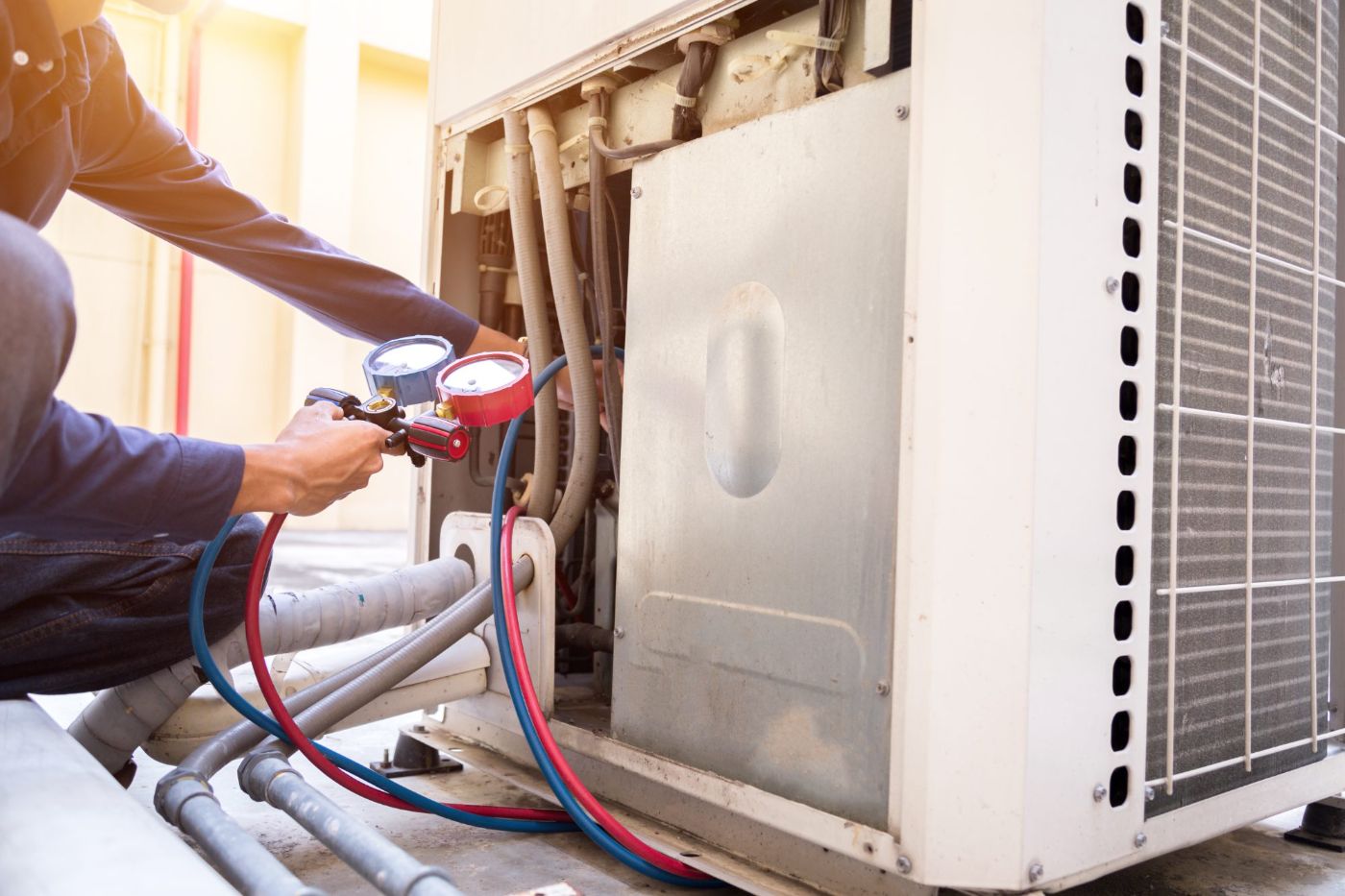
What Is Geothermal HVAC and How Does It Work for Indiana Homes?
Geothermal HVAC is a heating and cooling system that harnesses the stable temperature of the earth beneath your home to provide efficient climate control year-round. Unlike traditional furnaces and air conditioners that rely on burning fuel or compressing outdoor air, geothermal systems tap into underground heat sources—staying between 45–70 degrees Fahrenheit just a few feet below the surface. This means your system works with nature's constant energy supply rather than fighting outdoor temperature swings. For homeowners in Orleans, Indiana, where winters can be brutal and summers humid, geothermal HVAC offers a remarkably consistent way to maintain comfort while reducing energy waste.
How the System Circulates Heat
A geothermal HVAC system works by circulating fluid through underground loops buried in your yard or, in some cases, in a nearby water source. During winter, this fluid absorbs steady heat from the earth and carries it into your home. During summer, the process reverses—the system pulls heat from inside your house and deposits it back into the ground, effectively cooling your living spaces. A heat pump concentrates this thermal energy, making it powerful enough to warm or cool your home efficiently.
The beauty of this approach is consistency. While an outdoor air temperature might swing 40 degrees from morning to evening, the earth maintains a stable temperature. This stability means your heat pump doesn't have to work as hard, and your home stays comfortable without constant cycling on and off. For Orleans residents who experience Indiana's unpredictable seasonal shifts, this steadiness is a genuine benefit.
Why Maintenance Frequency Matters for Geothermal Systems
Geothermal HVAC systems are built to last—many run reliably for 20+ years. However, their longevity depends on regular, consistent maintenance. The underground loops, the heat pump unit, and the circulation system all need attention to function at peak efficiency. Unlike traditional HVAC systems, geothermal setups have fewer moving parts exposed to outdoor air pollution, which is one reason they're so durable. Still, routine checks keep everything working smoothly and help catch small issues before they become expensive problems.
Most geothermal system owners benefit from professional maintenance once or twice per year—typically before the heating season starts and again before summer cooling begins. This timing helps ensure your system is ready for the demands of each season. Between appointments, simple tasks like checking your thermostat settings and keeping vents clear of debris go a long way toward maintaining comfort and efficiency in your Orleans home.
Building a Geothermal Maintenance Routine
Establishing a maintenance schedule for your geothermal HVAC doesn't have to be complicated. Start by marking your calendar for a professional inspection in fall (before heating season) and spring (before summer cooling). During these visits, a technician will check refrigerant levels, inspect the heat pump compressor, verify loop system integrity, and clean or replace air filters as needed. These routine checks are far less disruptive and costly than emergency repairs.
Beyond professional maintenance, you can support your system's performance by keeping the area around your outdoor unit clear of leaves and debris, maintaining steady thermostat settings rather than making dramatic daily adjustments, and promptly reporting any unusual noises or temperature inconsistencies to your HVAC provider. If you'd like to explore whether geothermal HVAC in Orleans, Indiana is right for your home, or if you already have a system and want to establish a maintenance plan, Jim's Comfort Heating & Air is here to help.
Frequently Asked Questions
A: Most homes need either horizontal loops buried 4–6 feet deep across your yard, or vertical loops drilled deeper on a smaller footprint. Your property size and soil conditions determine which works best. A professional assessment can show you exactly what's feasible for your Orleans home.
A: Absolutely. Geothermal systems thrive in Indiana's climate because the earth temperature remains stable regardless of outdoor conditions. Cold winters and warm summers actually showcase the system's efficiency advantage compared to traditional HVAC.
A: The fluid circulating through properly designed geothermal loops won't freeze because it's a specially formulated blend, similar to antifreeze. Regular maintenance ensures the system operates safely even during Indiana's coldest months.
A: Professional maintenance twice per year—typically before heating and cooling seasons—keeps your system efficient and extends its lifespan. Between visits, monitor your thermostat and air filters to catch any issues early.
Ready for help? Contact Jim's Comfort Heating & Air today to learn more about geothermal HVAC, discuss your maintenance needs, or schedule your next system check. We're proud to serve Orleans and the surrounding area with reliable, expert service.